5 Tips to Keep Your New Year's Fitness Resolutions
January is a lie.
Not the entire month. Just the promise it sells you.
Every January, the fitness industry prints money by convincing you that motivation equals transformation. They flood your feed with before-and-after photos, sell you supplements, and package 12-week challenges like they're the answer you've been searching for.
Here's what they won't tell you: 80% of New Year's resolutions fail by February.
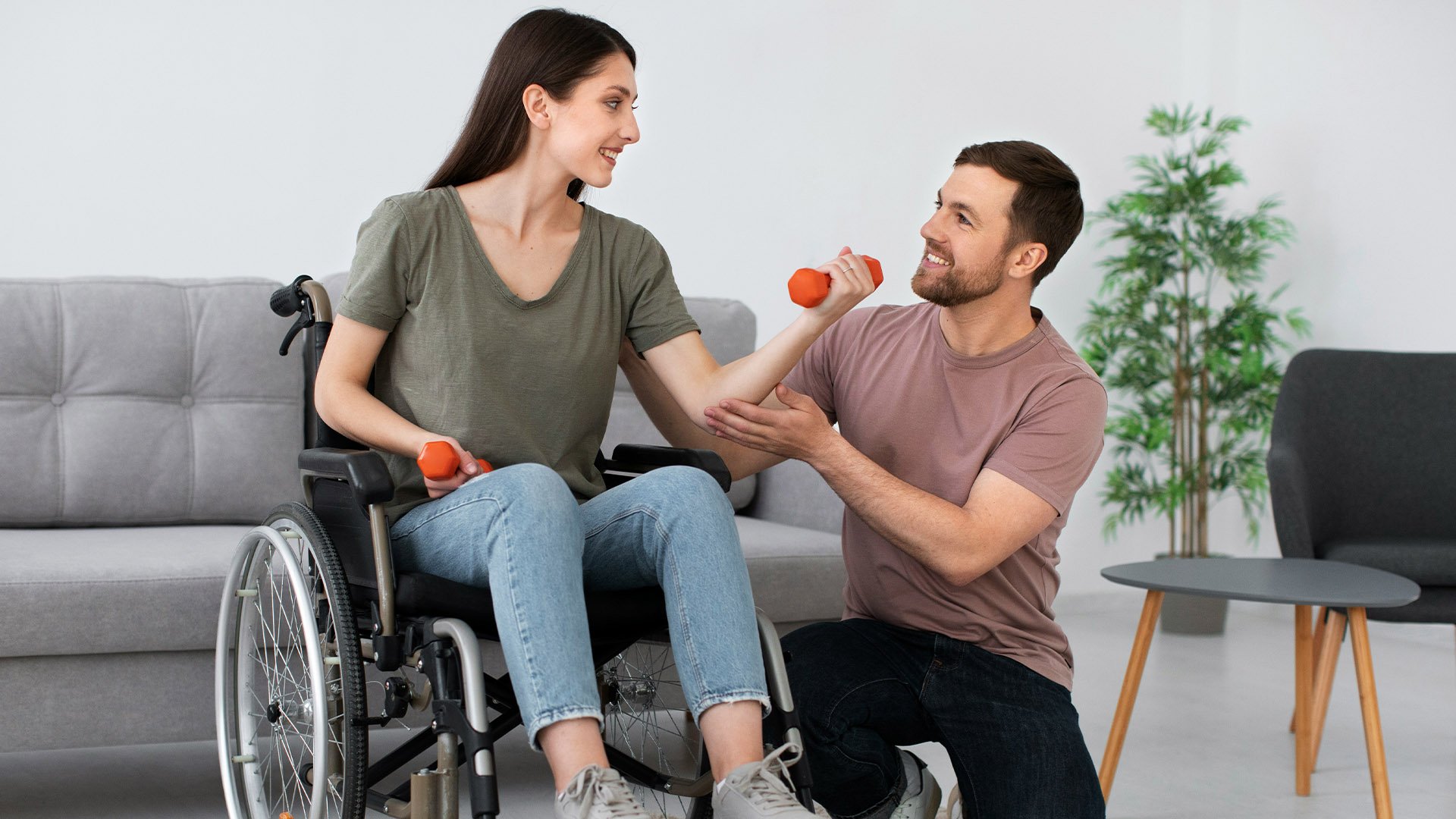
For adaptive athletes: people navigating fitness with wheelchairs, prosthetics, chronic pain, or disabilities, that failure rate usually climbs even higher.
Not because you lack commitment. Because the entire system was designed without you in mind.
And what actually works has nothing to do with January 1st, motivation, or willpower.
Motivation Isn’t Everything
When you set a massive goal on January 1st, your brain floods with dopamine. You feel unstoppable. You're convinced. You're all in. Until reality shows up.
Here's what most people don't realize: hitting goals requires two completely different phases, not just one emotional high.
Motivation: The dopamine rush that gets you going and committed.
Volition: The daily grind of following through when the excitement fades.
Most people confuse motivation with the entire process. It's not. Motivation gets you started. Volition keeps you going when your alarm goes off at 5 AM, your pain flares, your adaptive equipment breaks down, or your wheelchair can't navigate the snow. And this is where the failure happens. Not because you're weak. Because you built your entire strategy on an emotion that was chemically designed to fade.
Consistency Beats Intensity
Here's the unsexy truth: consistency beats intensity, every single time. Your nervous system doesn't care about January 1st. It cares about patterns. And patterns are built through repetition, not motivation.
You don't carve a neural pathway by hacking through the forest once with a machete. You carve it by walking the same route every single day until the path becomes worn into the ground. That's habit formation. That's neuroplasticity. That's the only thing that works long-term.
For adaptive athletes, this principle is survival.
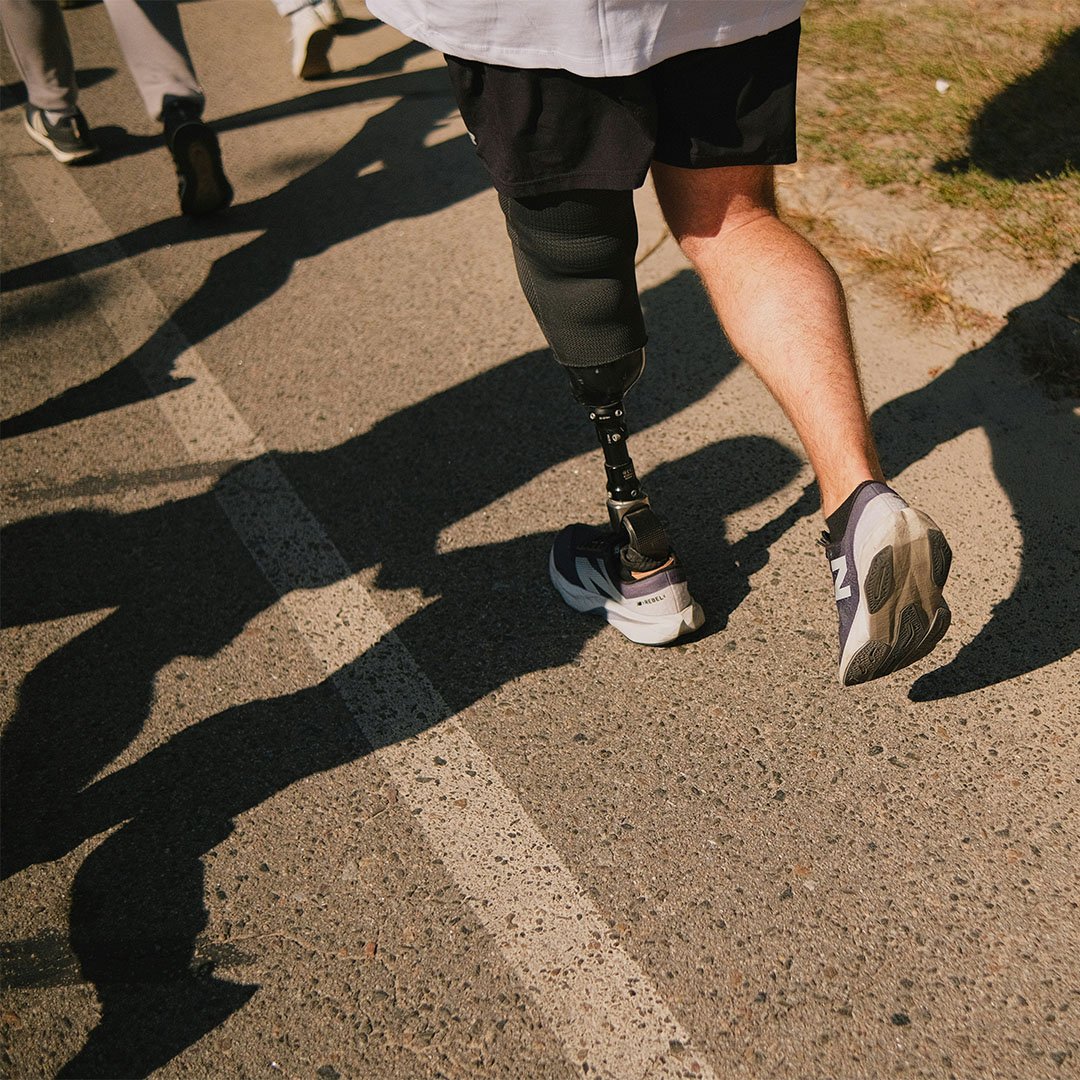
You're already managing more variables than able-bodied gym-goers: prosthetics requiring daily adjustments, neurological conditions affecting balance, fluctuating pain levels, limited energy reserves, and accessibility barriers restricting when and where you can train.
Ramming a dozen new habits into your life on January 1st isn't ambition. It's self-sabotage.
Real progress happens when you choose one or two sustainable behaviors and repeat them until they become non-negotiable.
Traditional Goal-Setting Is Outdated
The best way to implement consistency is to adopt a strategy called implementation intentions, which outperforms traditional goal-setting in every study.
Traditional goal: "I will get fit this year."
Implementation intention: "After I finish my morning medication routine, I will do five minutes of adaptive stretching in my wheelchair."
See the difference? One is vague and dependent on motivation. The other is specific, anchored to an existing routine, and removes decision fatigue. Your brain doesn't need more ambitious goals. It needs fewer decisions.
For people with disabilities, this is critical. You're already navigating a world built for bodies that don't match yours. Adding decision fatigue to physical barriers increases the likelihood of failure in your New Year's goal-setting.
So remove the decision. Tie your new goals to something you already do:
Do you typically take medication in the morning? Add five to ten minutes of stretching or movement after.
Do your evenings typically include a winding-down ritual? Use that system to add a step to move your body or sharpen your mind.
Do you typically have availability after physical therapy or appointments each week? One adaptive strength exercise you can add while you're focused on your health and wellness is easy to incorporate.
Your existing structure does the heavy lifting. You just follow through.
Small Wins Are Very Important
Small wins aren't for people who can't handle big goals. They're for people who understand how behavior change actually works.
Every time you complete a small win, you prove to your nervous system that progress is possible. You build evidence that you can show up, even on hard days.
Grand declarations do the opposite. They create pressure, demand perfection, and when life interrupts (which it always does when you're managing a disability or chronic condition), they leave you feeling like you failed.
It’s important to remember that you didn't fail. The strategy did.
Here's what works: create three versions of every fitness routine:
Full Capacity: What you do on days when everything aligns.
Modified: What you do when pain is manageable but energy is low.
Minimal: What you do on the worst days to maintain the pattern.
Some days you'll crush the whole workout. Some days, completing the minimal version while managing a flare-up is a victory. Both count equally in building long-term habits. The metric isn't performance. It's showing up.
You Always Need Community
Every study on long-term behavior change confirms the same finding: accountability and community are stronger predictors of success than individual motivation.
You won't be able to succeed alone. Not because you're weak. Because humans are wired for social connection, and isolation actively sabotages habit formation.
For adaptive athletes, this is even more critical. You face real barriers: gyms with zero adaptive equipment, trainers with zero disability literacy, and programs with zero consideration for chronic pain management.
Isolation makes these barriers insurmountable. Community makes them irrelevant.
When someone's expecting you to show up, you show up. When someone texts you on a difficult day, you respond. When someone understands precisely what you're navigating because they're navigating it too, you start feeling seen and connected.
This is why Bloc Life exists. Not to sell you supplements or promise transformation in 90 days. To give you what actually works: structure, support, and accountability.
We've seen veterans rebuild their sense of purpose through consistent training. We've seen people with disabilities reclaim independence one rep at a time. Not because they waited for January 1st. Because they started where they were.
5 Tips to Start Today
Volition Beats Motivation Every Time: The dopamine hit is nothing. Focus on the daily discipline of following through well after the initial high fades.
Do Less: Your intensity towards your goals is why you can’t keep them. Focus on humble, consistent beginnings and grow from there.
Anchor New Habits to What Already Works: Attach your new goals to something you already do consistently. You’ll barely notice them, and it’ll be easier to stick with them.
Build 3 Versions of Every Goal: Full Capacity, Modified, and Minimal. Even on the hardest days, the minimal version keeps the pattern alive.
Pursue Goals With Others: Whether it's Bloc Life, a local adaptive sports program, or a training partner who understands your reality, stop pursuing new goals and habits on your own. It’s not sustainable to do anything in life alone.
The Mission Is Already in Progress
You've already survived everything that tried to stop you.
Now it's time to build on that survival with a structure that bends without breaking. Support from people who get it. Accountability that shows up when you need it most.
Bloc Life was built for people our society doesn’t serve well: veterans transitioning from the battlefield to civilian life, first responders healing from the intensity of their roles, and adaptive athletes navigating a world not designed for them.
We do this by operating on three pillars:
Daily structure that adapts to your reality
Unprecedented support from people who understand
Real accountability that shows up on the hard days
This isn't a resolution. It's a mission. And your comeback is already in progress.
Bloc Life Exists to Serve You
At Bloc Life, we exist to support veterans, first responders, and adaptive athletes with programs designed to help them feel seen and connected, and to incorporate movement and exercise into their lives through special adaptive classes.