
Bloc Life Expertise
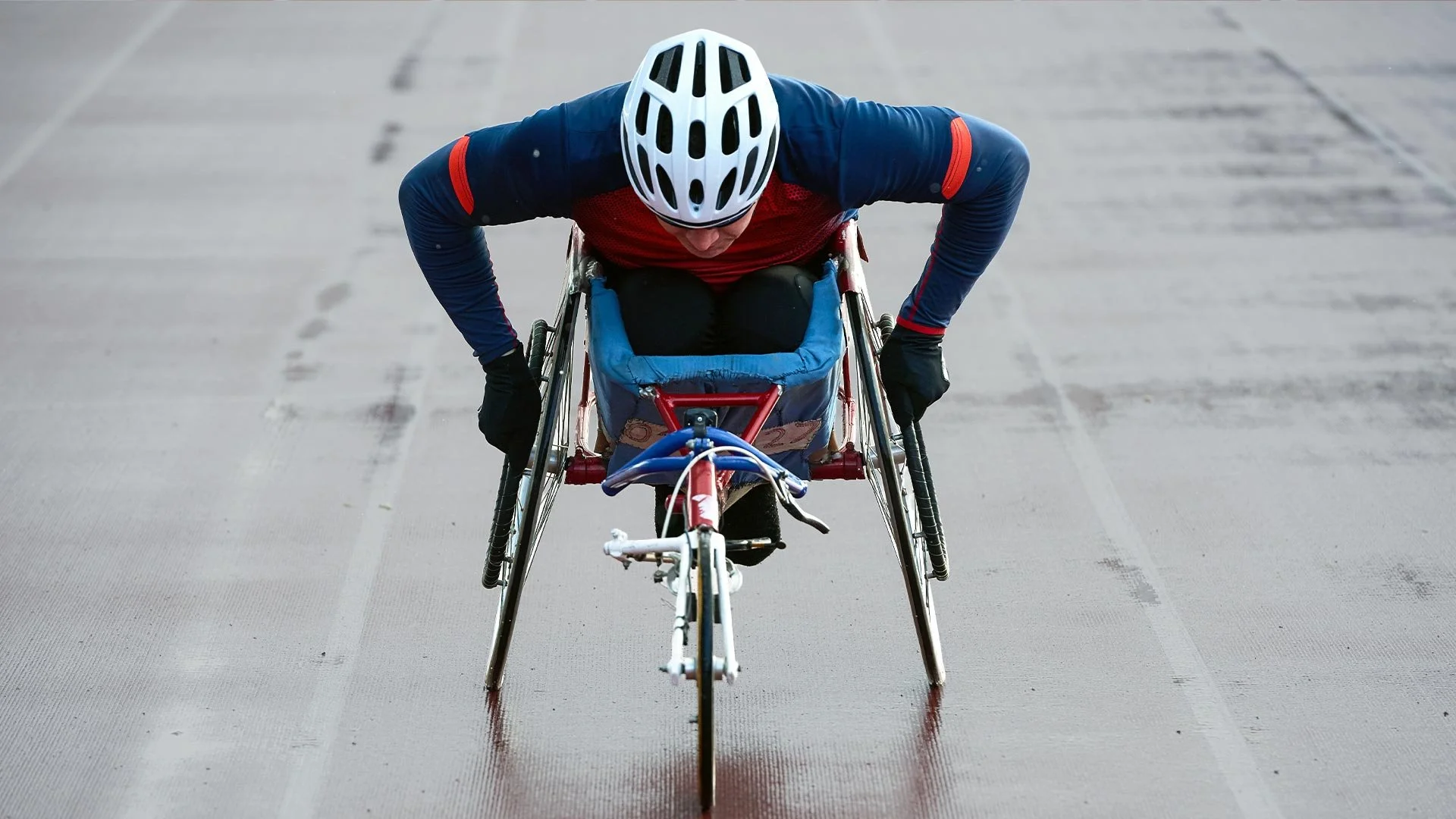
The Hartford Nationals Shows What an Adaptive Sports Pipeline Looks Like When It Has Structure
A championship can be inspiring without actually making access easier. The Hartford Nationals matters because it is not only a national event. It is connected to qualifiers, classification, grants, competition series infrastructure, and a visible pathway that helps athletes understand where to start and where to go next.

Tahmar Upshaw Ran the 800 Meters Faster Than the T46 Record Book Had Ever Seen
Adaptive sports coverage too often softens the story before the performance even gets a chance to speak. Tahmar Upshaw's 1:48.80 in the men's T46 800 meters does the opposite. It forces the conversation back to speed, preparation, competitive structure, and the record book.
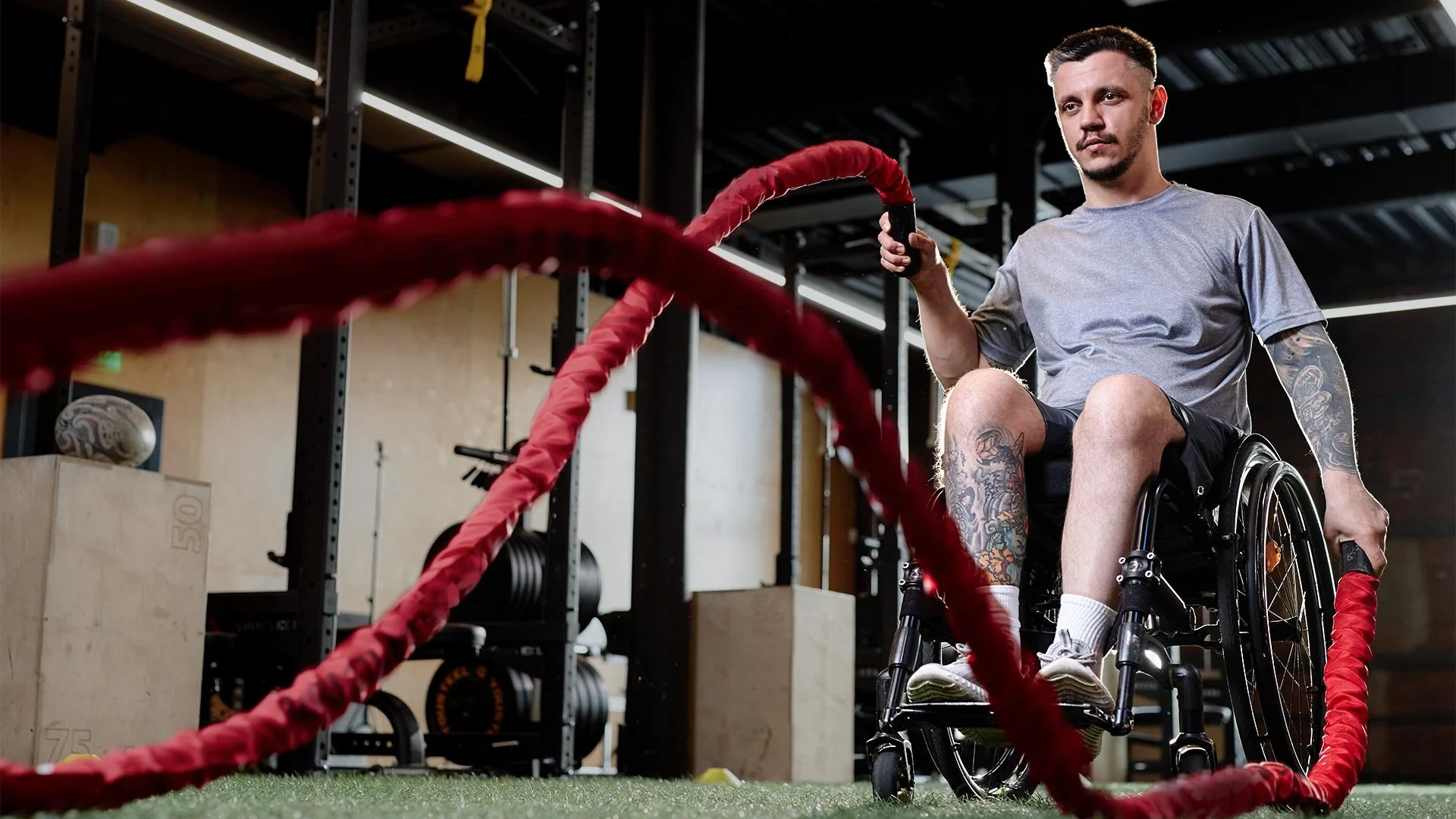
The Seated Battle Rope Drill That Builds Conditioning Without Leaving the Chair
The battle rope looks simple until the clock starts. Two handles. One anchor. Repeated waves driven by the shoulders, arms, trunk, and grip. For adaptive athletes, the seated version can create a real conditioning challenge without pretending that every person needs running, biking, or lower body rhythm to train their engine.
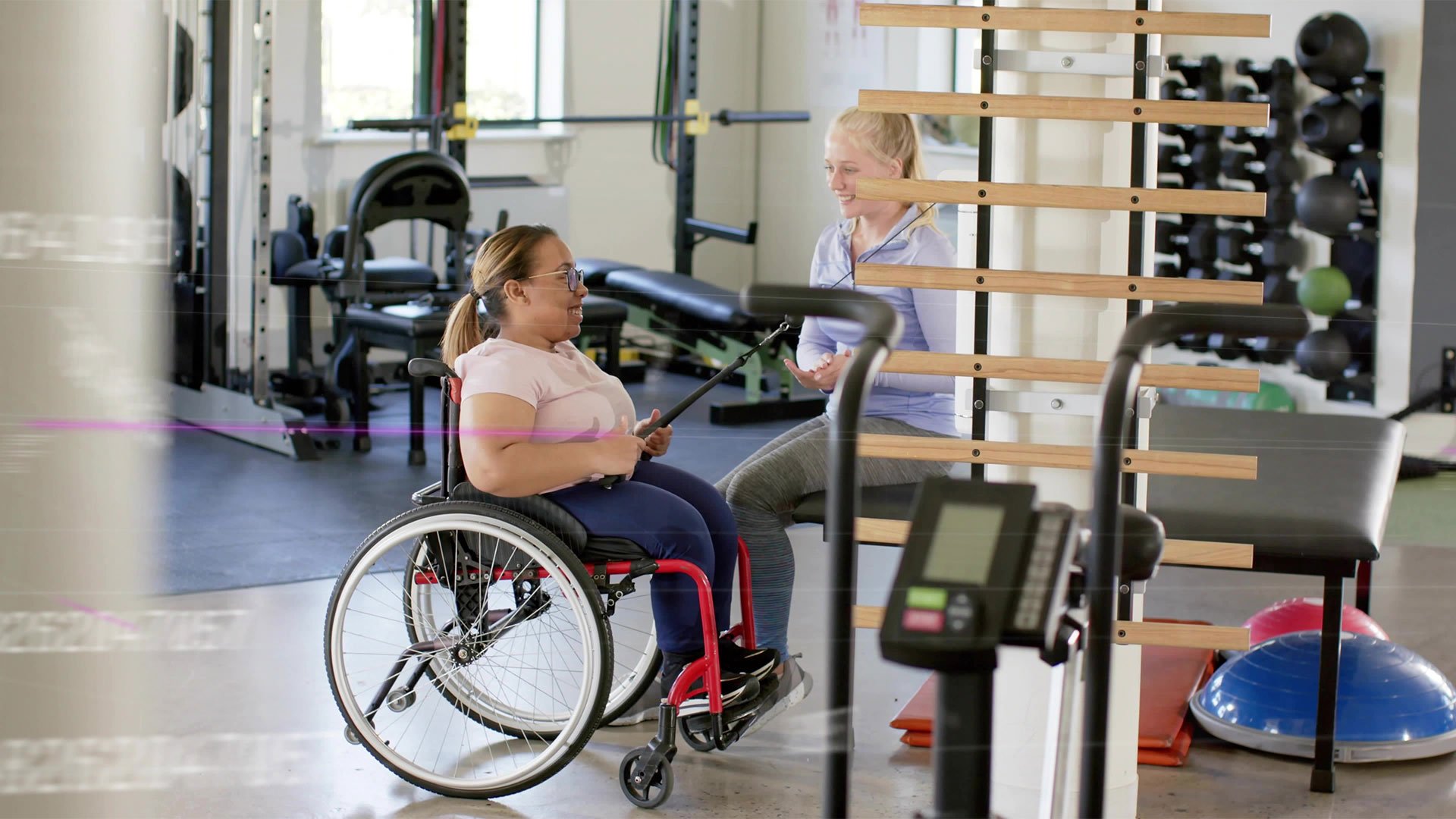
The Seated Wheelchair Row That Helps Adaptive Athletes' Shoulder Pain
The seated row is one of the most useful upper body movements an adaptive athlete can train. It builds posture, it builds pulling strength, and it does it from a chair with a piece of equipment that costs less than a tank of gas.
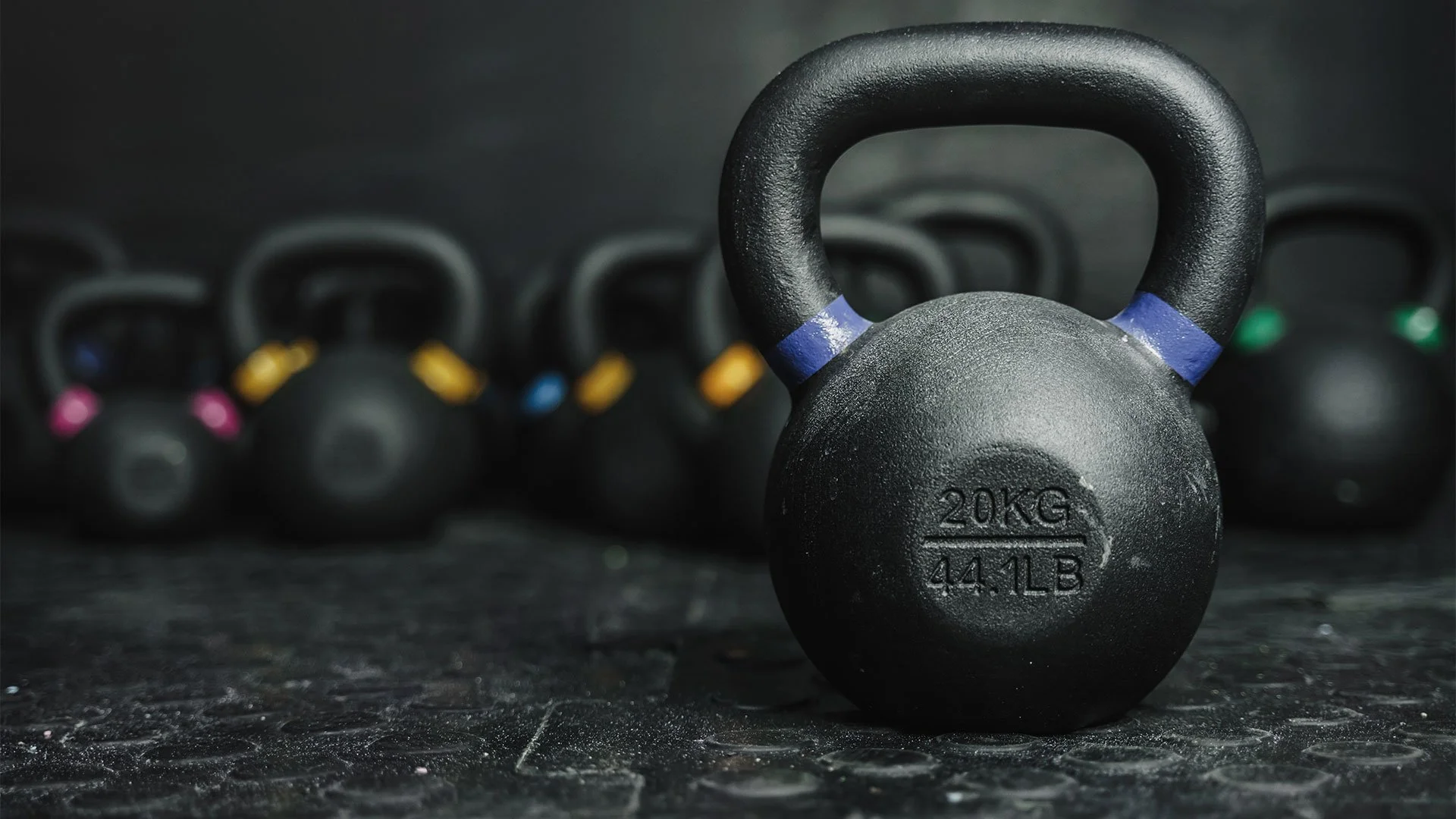
One Movement. 24 Medals. And the Coaching Fix Nobody's Talking About.
The Bloc Life Breakthrough Report #3 features a practical seated kettlebell deadlift breakdown for adaptive athletes, Oksana Masters' historic 24-medal Paralympic career, and a Texas coaching workshop proving that the biggest barrier to adaptive fitness isn't equipment. It's the people programming the workouts.

3 Million Claims. One Year. What the VA Finally Got Right.
From AI-powered VA claims processing to peer-reviewed adaptive fitness research and rural gym partnerships, these three stories show how removing barriers creates consistency and lasting change.
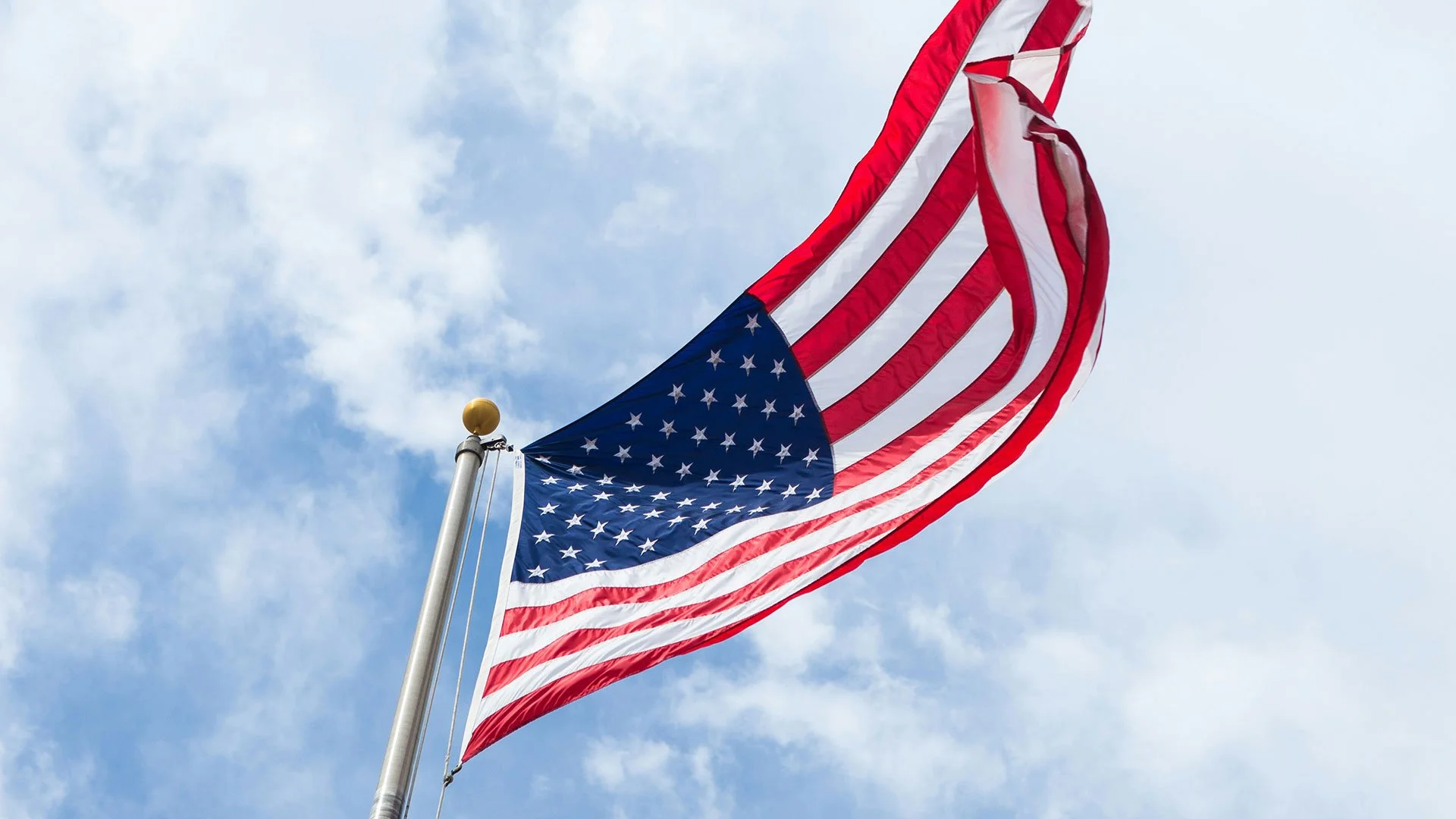
Why a 2.8% Increase in VA Disability Compensation Matters
From increased VA compensation to adaptive technology and free programs, these three stories show how removing barriers creates consistency and lasting change.
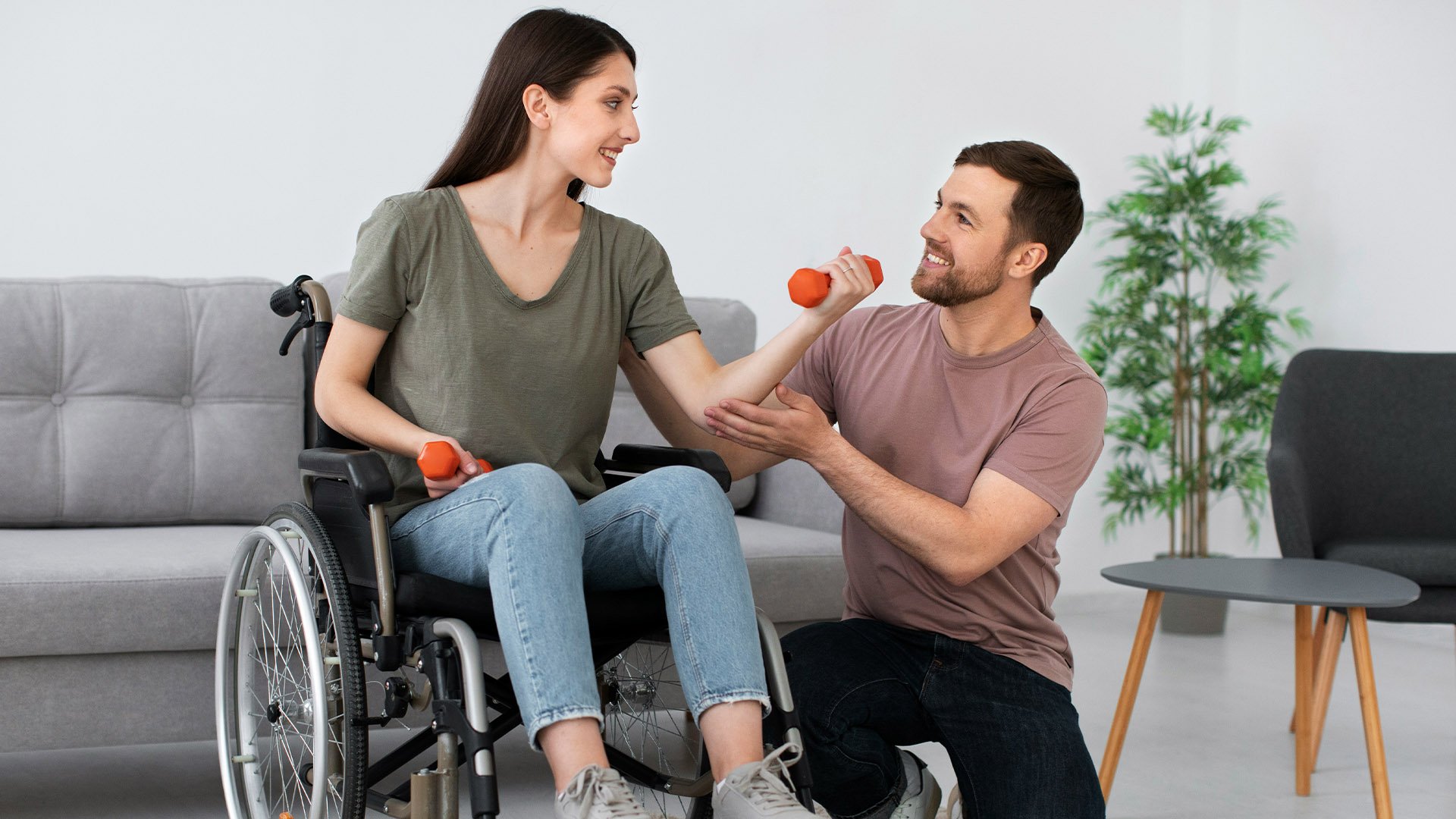
5 Tips to Keep Your New Year's Fitness Resolutions
January promises transformation, but 80% of resolutions fail by February. For adaptive athletes, that rate climbs even higher, not from a lack of commitment, but because the system wasn’t designed for you. Discover why willpower falls short and what the science says about sustainable habit formation for veterans, first responders, and people with disabilities.

Why Holiday Loneliness Feels Like a Silent Battle in the Brain
Holidays hit like forced joy while you bleed inside. Empty chairs scream louder than laughter. Vets & adaptive athletes: this loneliness is wired deep—but you can fight back.
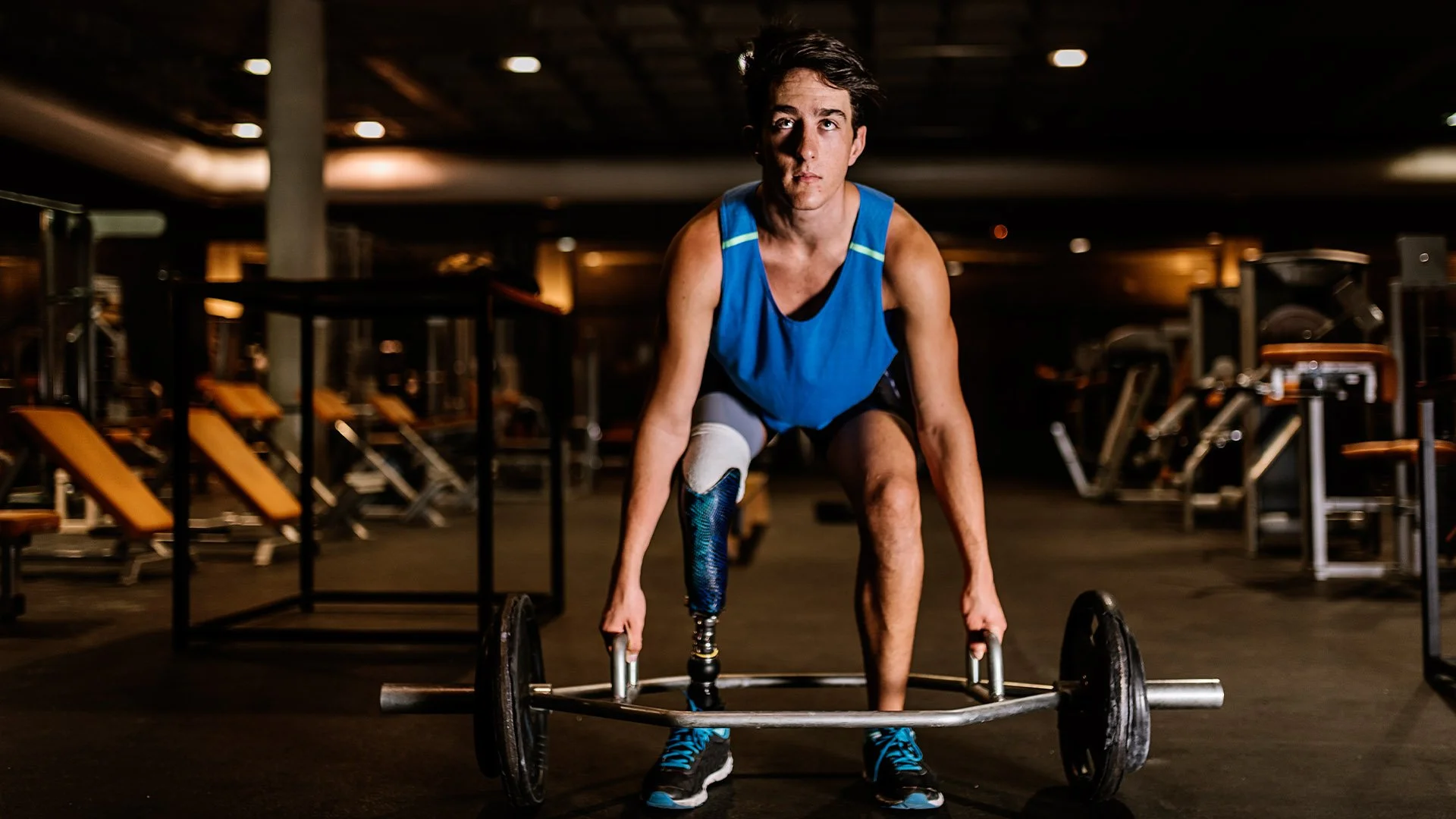
The Science of Grit: Why Some People Don’t Quit
Some people stop when life hits hard. Others dig in and keep going. Grit isn’t luck or genetics, it’s science. Learn how your brain rewires under pressure, and how training, purpose, and recovery build the mental endurance to keep moving forward when it matters most.

Beyond “Just Stay Positive”: Combat-Tested Self-Talk That Actually Works
‘Staying positive’ just isn’t enough. Veterans and adaptive athletes need science-backed self-talk strategies that rewire the brain for resilience. Here’s how to turn your inner voice into your strongest ally.

5 Grounded Ways to Calm Anxiety (That Go Beyond “Just Relax”)
Anxiety doesn’t always look like panic; it can be restless energy, tight shoulders, or sleepless nights. For veterans, adaptive athletes, and anyone under stress, here are five grounded, body-based strategies to calm your nervous system and reclaim a sense of control.

Under Pressure: How Movement and Connection Help Veterans and Adaptive Athletes Manage Anxiety
Anxiety doesn’t always shout—it often whispers through muscle tension, sleepless nights, and the need to stay in control. For veterans and adaptive athletes, that tension runs deep. But through movement and connection, the nervous system can learn to exhale—and healing becomes possible.

Out of the Dark: How Movement and Community Combat Depression in Veterans and Adaptive Athletes
Depression often hides behind pain, silence, or disconnection—especially for veterans and adaptive athletes. But science continues to show that movement can do more than build strength. It rewires the brain, lifts mood, and restores a sense of belonging, especially when shared in community.

Training Through Triggers: How Movement Helps Veterans and Amputees Living with PTSD
PTSD doesn’t just live in the mind—it lives in the body too. For veterans and amputees, trauma often lingers long after the physical wounds close. This blog explores how structured movement and adaptive training can offer emotional release, rewire stress responses, and create a sense of control—without needing to relive the past out loud.
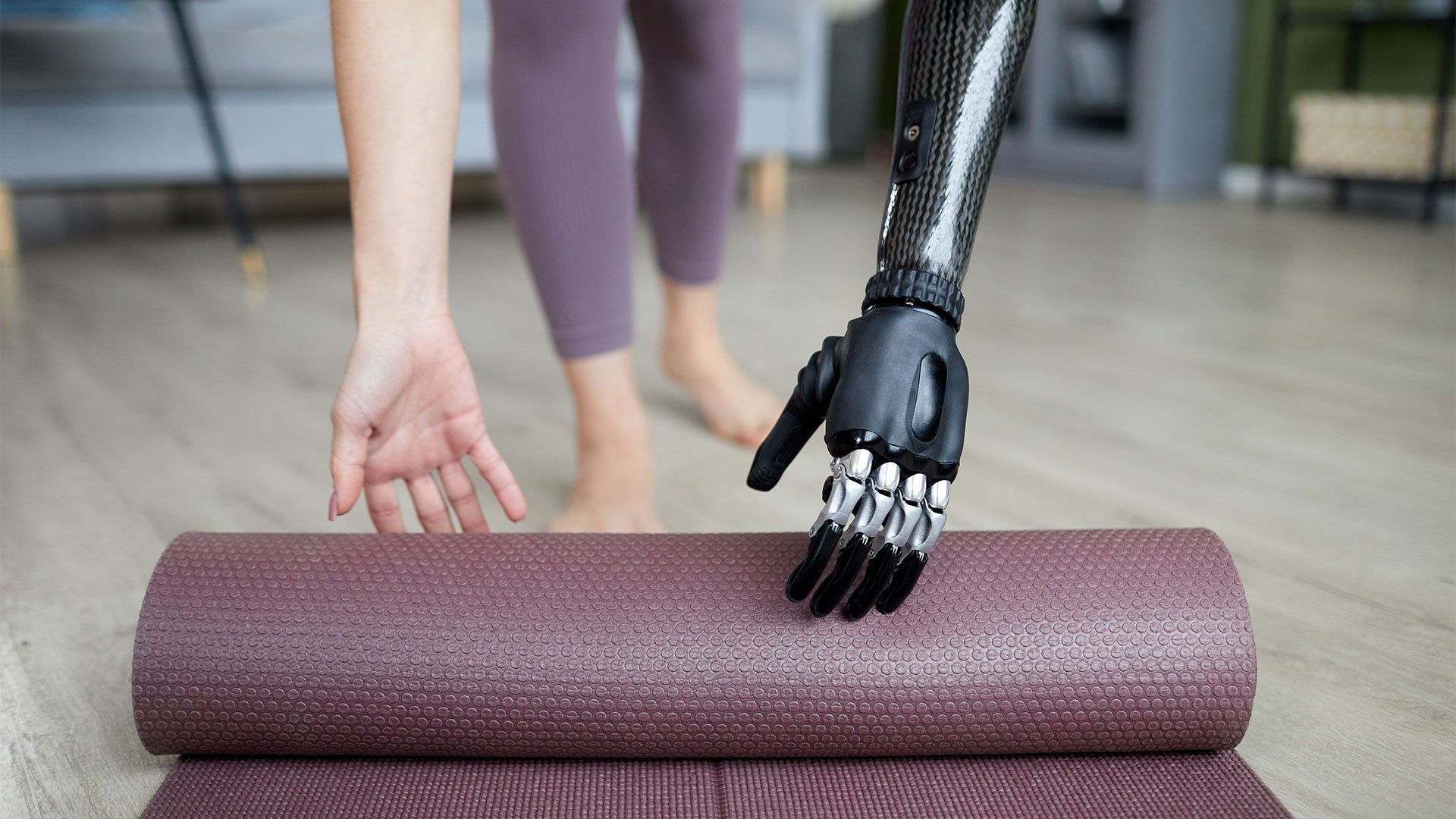
Go-To Movements for Upper Extremity Amputees
Most fitness plans weren’t built for upper extremity amputees—but that doesn’t mean you’re left out. These three movements are simple, effective, and tailored to real bodies with real-life challenges. Your strength story starts here.

Go-To Movements for Lower Limb Amputees: Rebuild Strength, Boost Confidence, and Thrive
Living with a lower limb amputation doesn’t mean giving up an active life—it’s a fresh start. These three simple, powerful exercises—Side-Lying Hip Abduction, Prone Hip Extension, and Single-Leg Sit-to-Stand—help rebuild strength, boost balance, and reclaim independence. Start today and thrive!
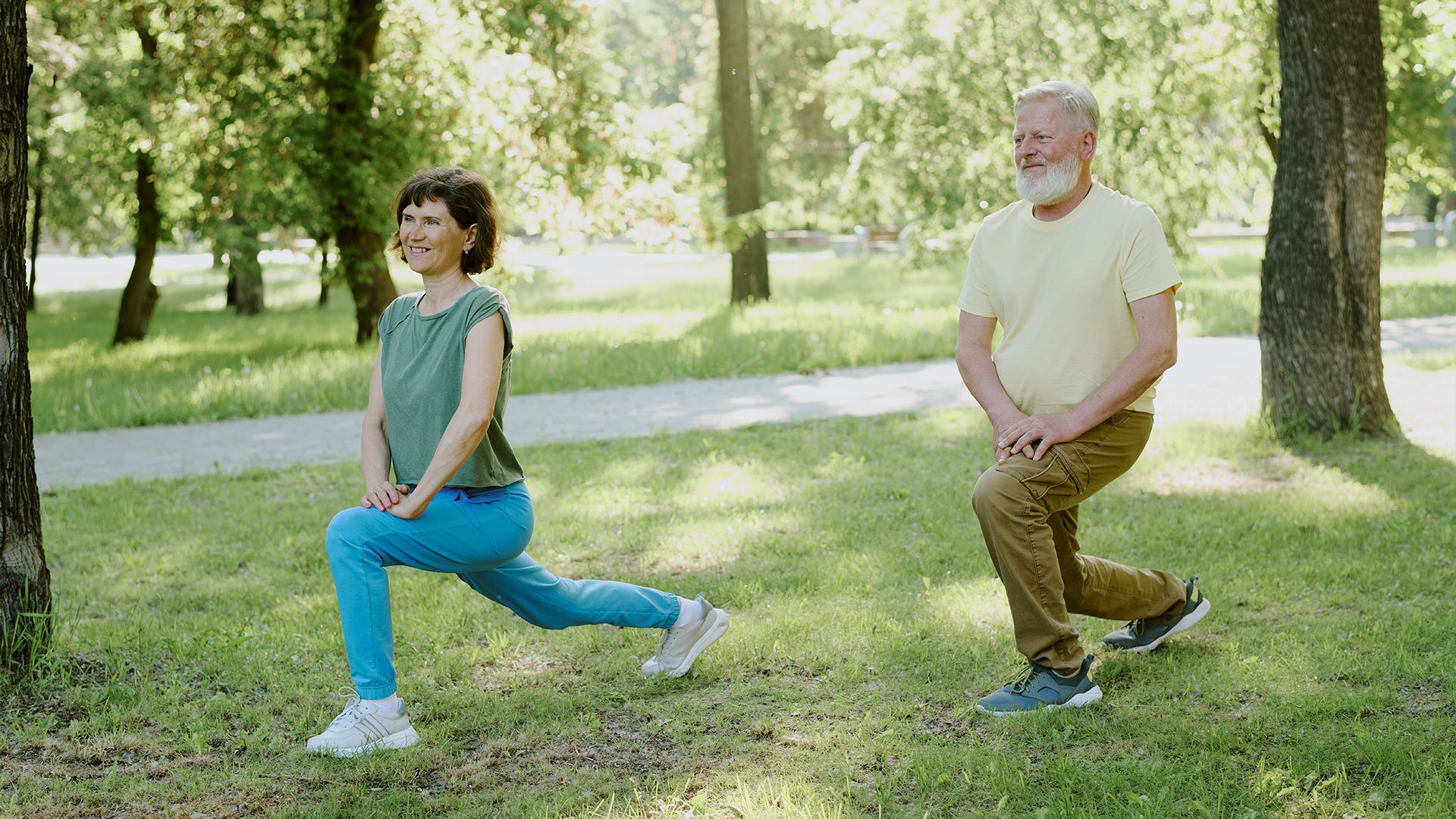
Go-To Workout Movements for Neuromuscular and Neurological Disorders: Build Strength, Balance, and Resilience
Neurological disorders are the leading cause of disability globally, affecting 1 in 3 people in their lifetime. Staying active is key to maintaining strength and independence. Try these three adaptable exercises: Supported Lunges for balance, Squats for mobility, and Tuck/Plank Holds for core strength.
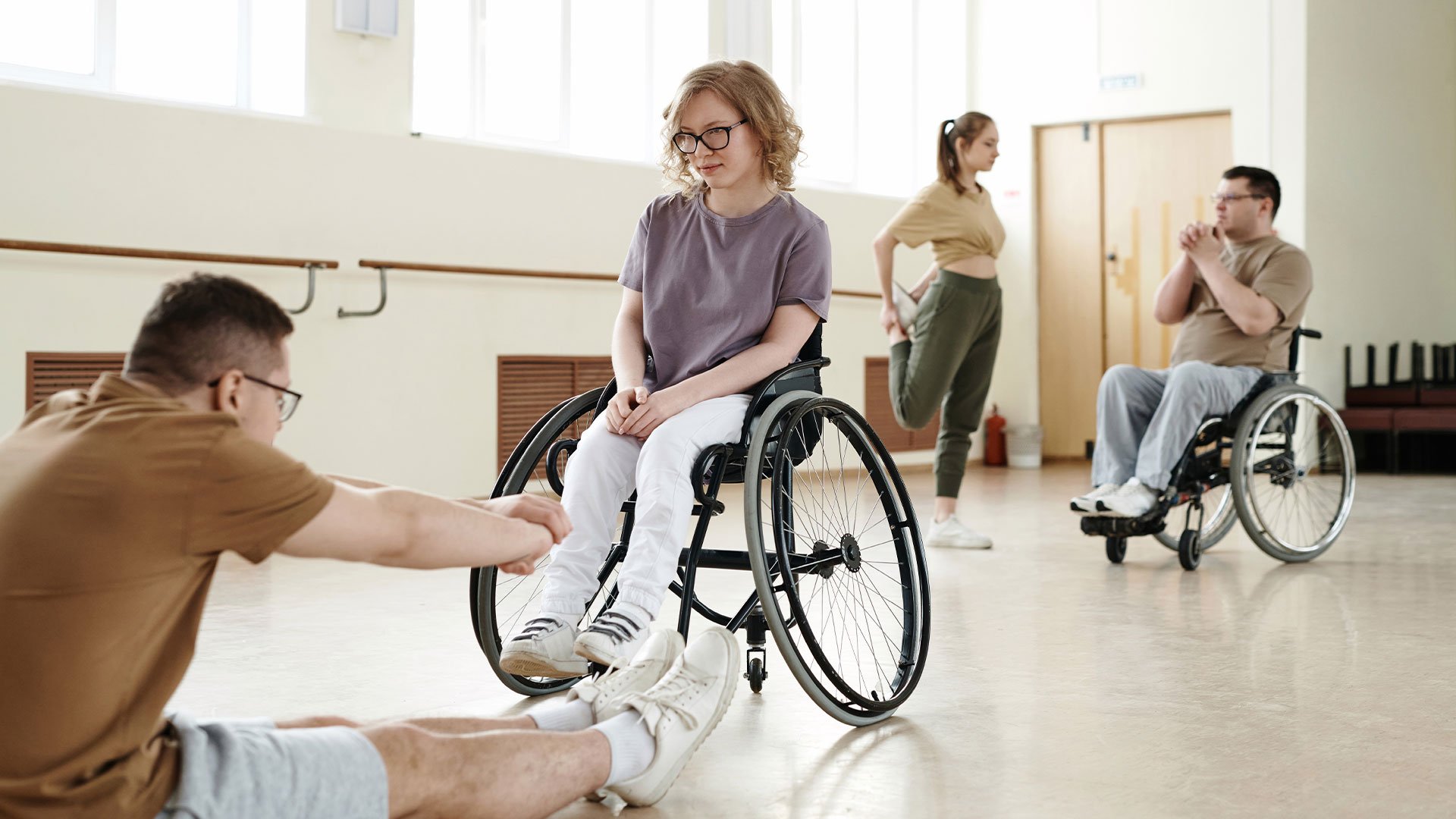
Go-To Workout Movements for Wheelchair Users: Build Strength, Mobility, and Independence
Staying active as a wheelchair user is about more than just fitness—it’s about independence, injury prevention, and longevity. Despite the booming fitness industry, accessible training guidance remains scarce. In this guide, we break down three essential movements to strengthen shoulders, enhance mobility, and build functional power for everyday life.

Nutrition for Wheelchair Users: Fueling Health and Independence
Every year, 18,000 people in the U.S. become new wheelchair users, facing major lifestyle changes. Good nutrition can make all the difference—helping prevent pressure ulcers, manage bowel routines, and maintain energy. From protein and fiber to hydration and meal timing, discover essential strategies to fuel your body, foster independence, and thrive both physically and mentally.
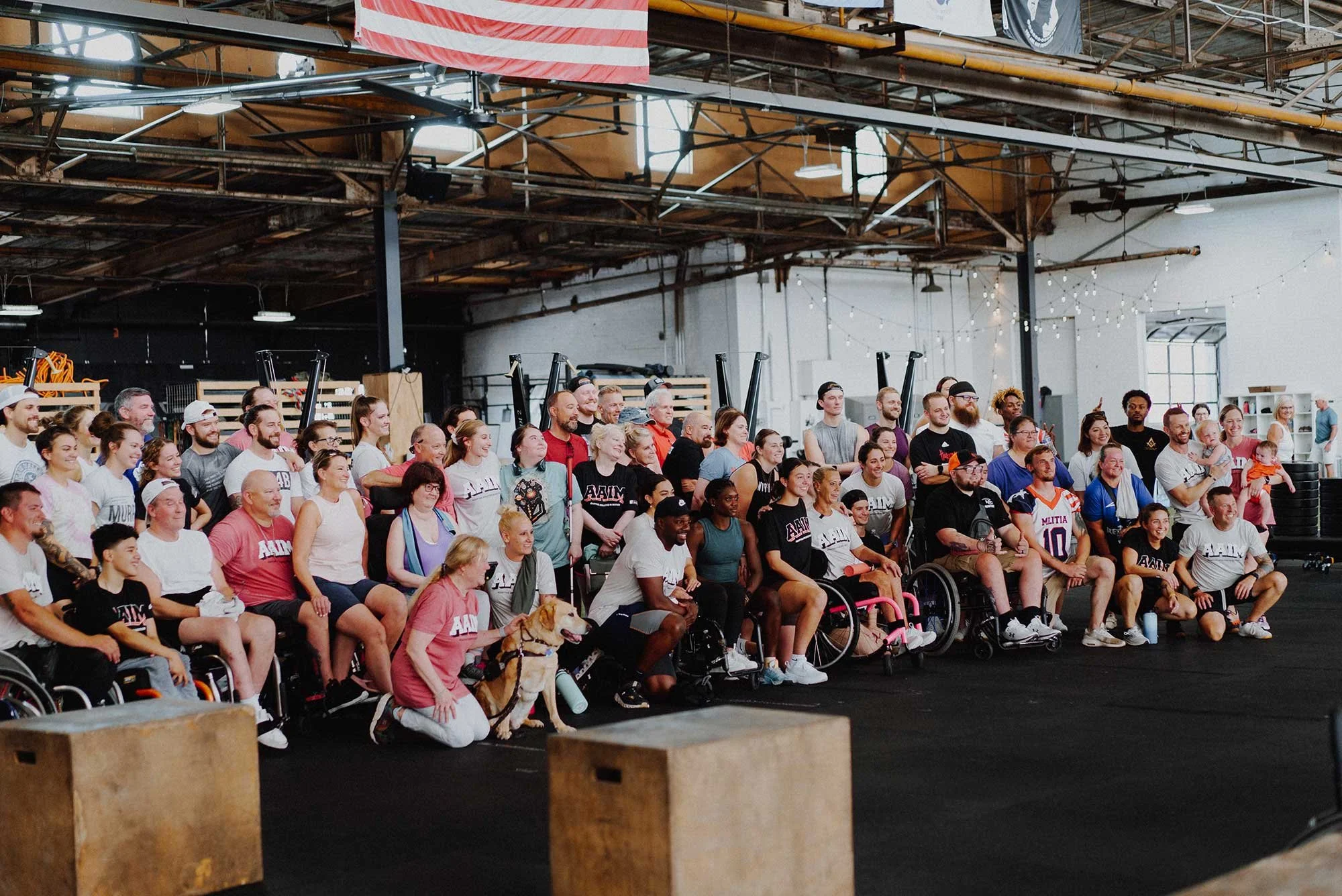
WILL YOU PARTNER WITH BLOC LIFE AND DONATE TO OUR MISSION?
WE ARE FUELED BY YOUR GENEROSITY.