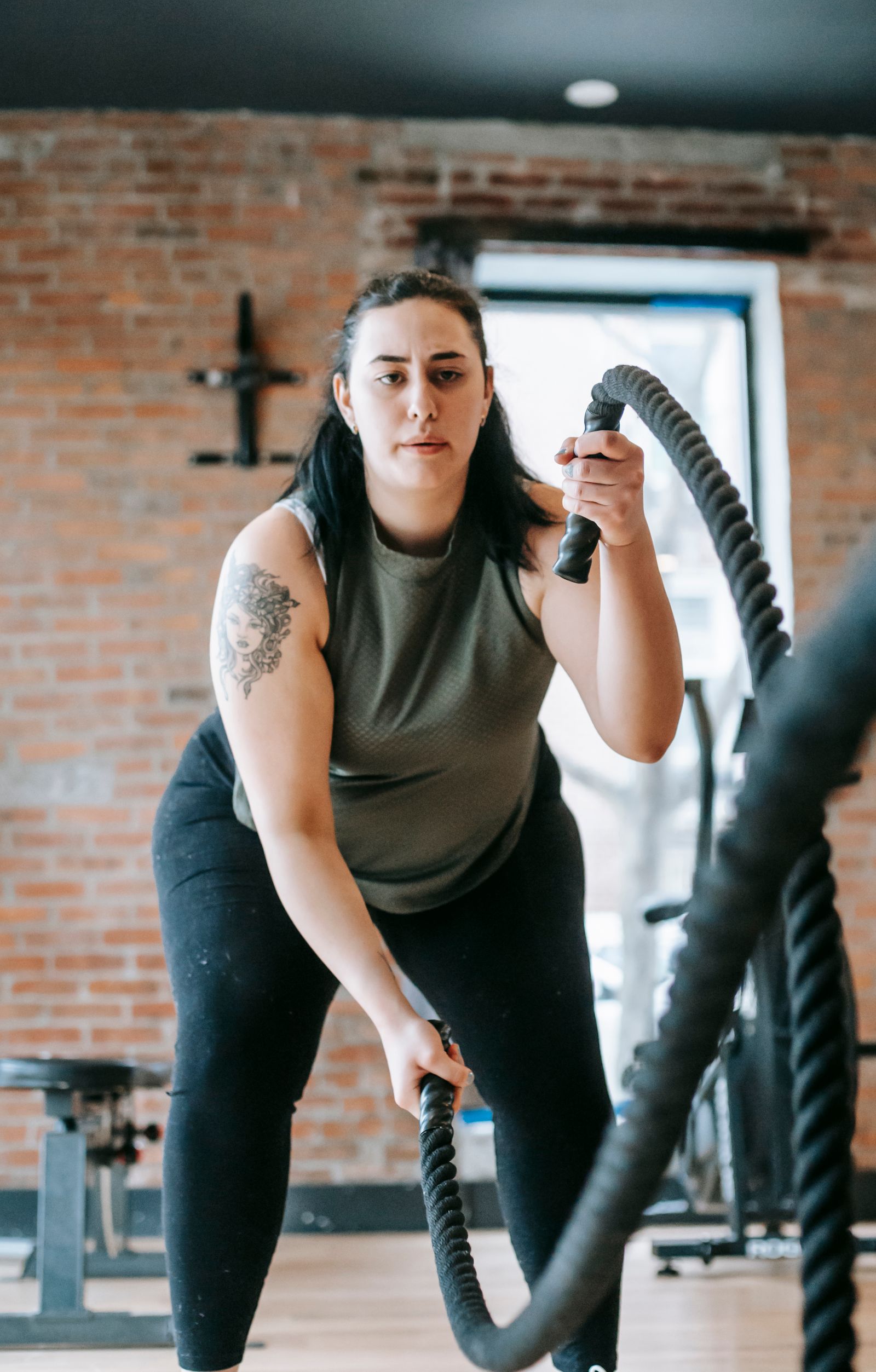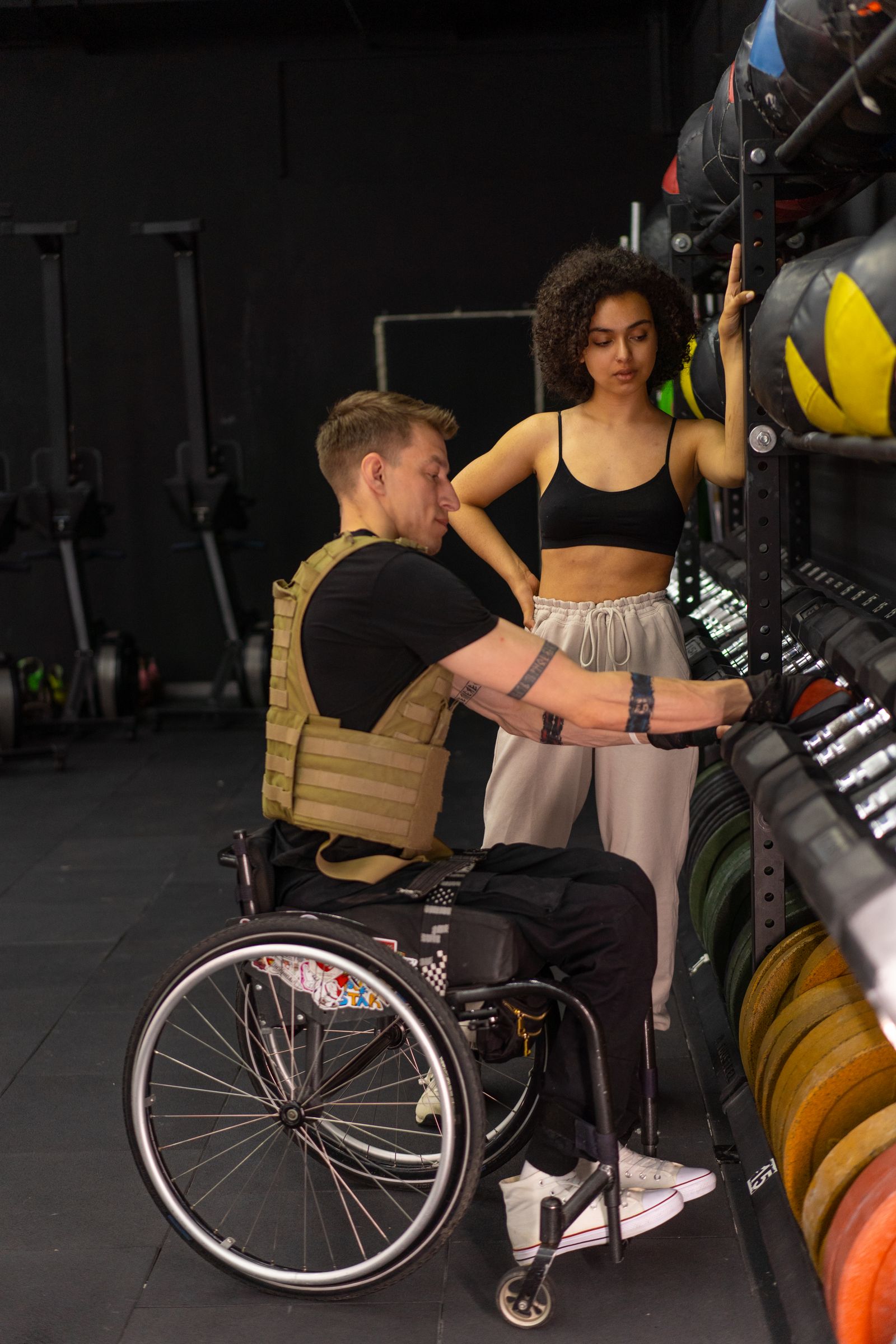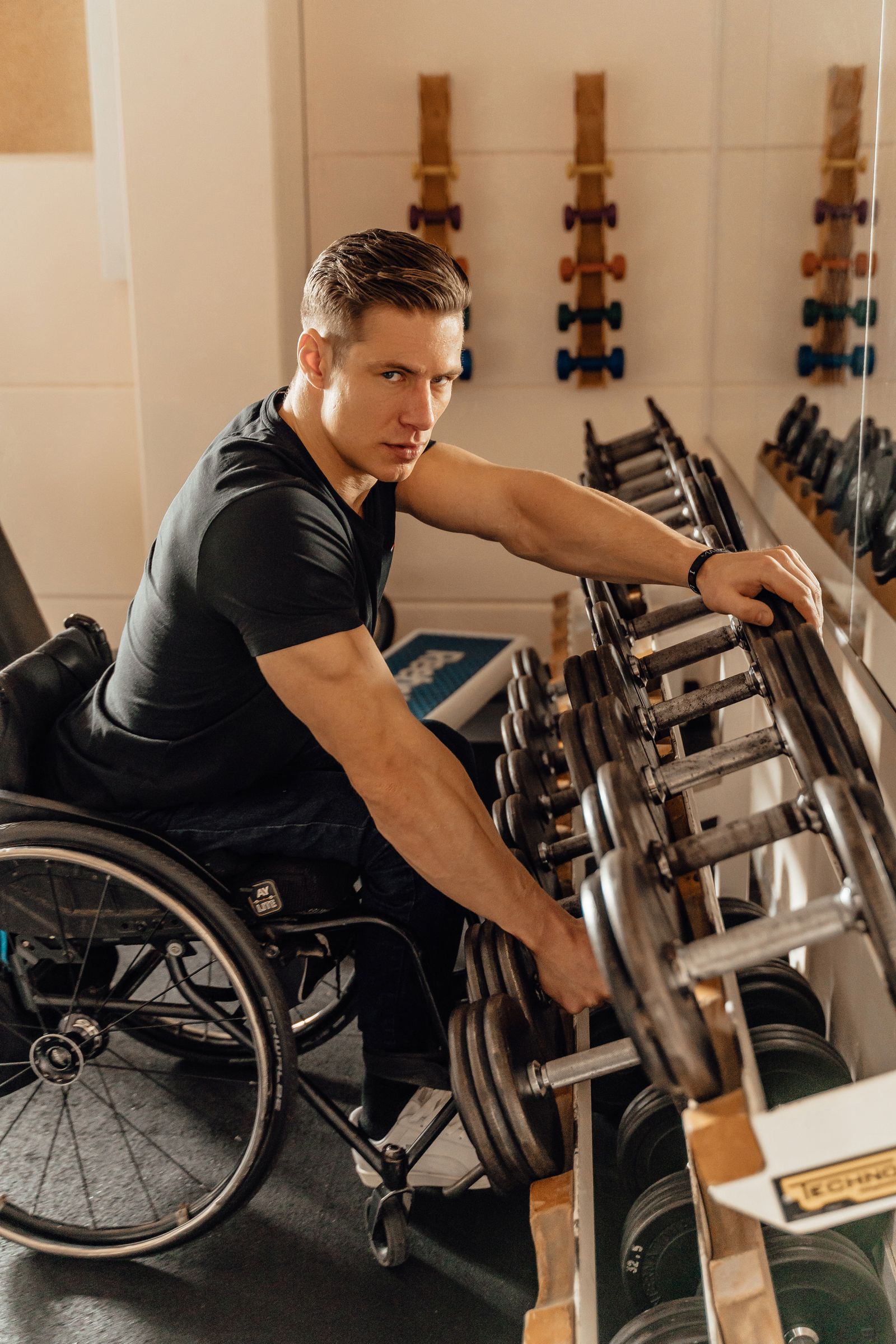
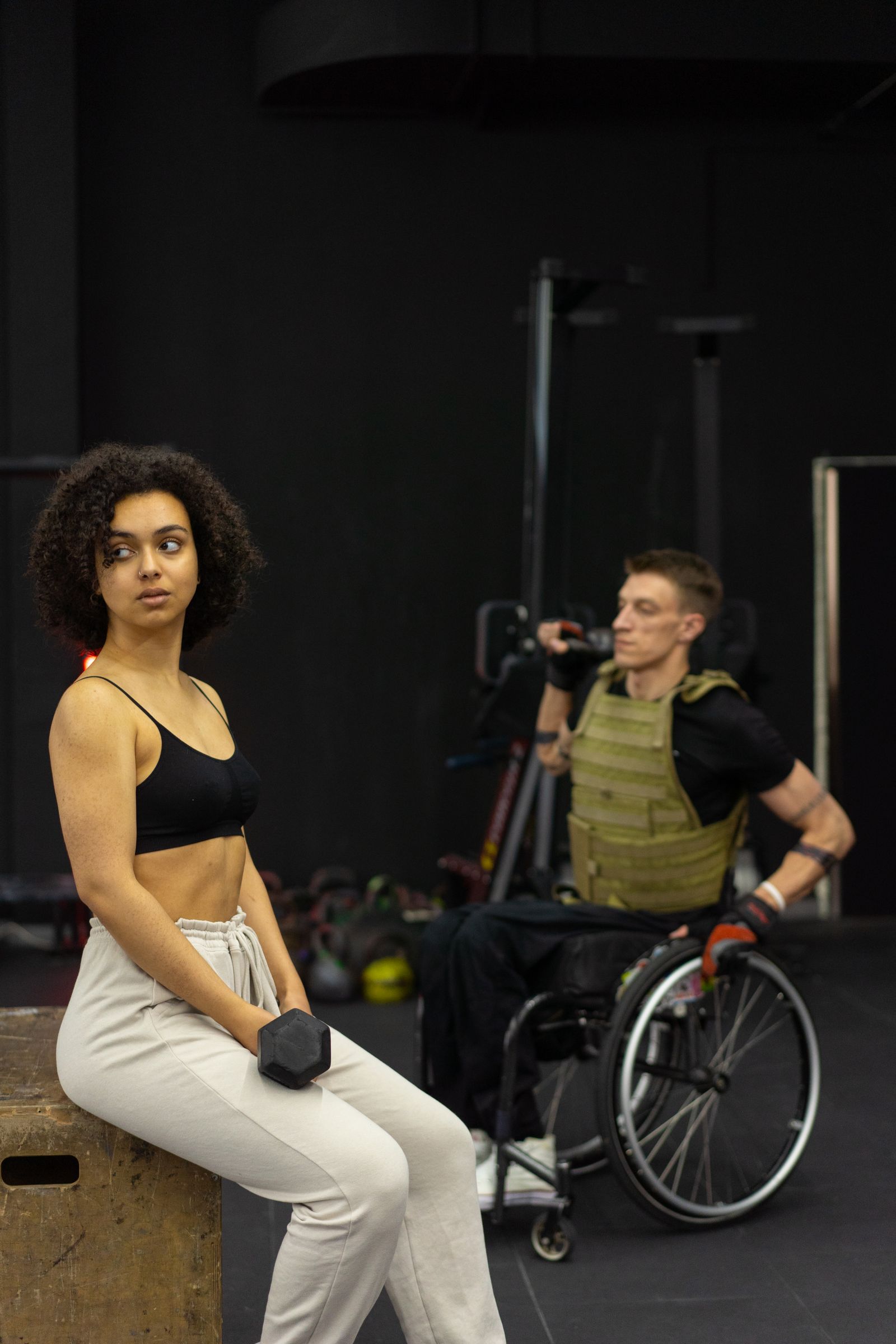
The published studies on this page share a backstory. In November 2024, Kansas Alumni magazine told it in a feature by Christina Knott, under the heading “The need to adapt.” It is the fullest public account of how Adaptive Athletes in Motion (AAIM) became the setting for University of Kansas research.
Read KU Alumni FeatureHow the Partnership Started
Lyndsie Koon is an assistant research professor at the KU Life Span Institute. Her doctorate is in sport and exercise science, and she had been studying health and activity in older adults. By her own account she doubted high-intensity functional training (HIFT) until a friend talked her into a class.
According to the feature, the roots of her research program trace to a conversation with Alec Barowka at Kaw Valley CrossFit in Lawrence. He recommended she talk to Josh Snyder, who owns FitNKC in Kansas City and developed AAIM.
Where AAIM Came From
Snyder had already started Chalk Up for Burpees, a nonprofit program that introduced HIFT to veterans and first responders. He had no adaptive class in 2017 when a former first responder with a traumatic brain injury came into the gym in a wheelchair and asked to be trained. Snyder told the magazine his reply was, “The answer is no for right now, but I’m going to figure this thing out.”
He earned the Adaptive and Inclusive Trainer certification from the Adaptive Training Academy. Every AAIM trainer must hold that credential, the feature reports, and every new participant completes two orientation sessions before joining a class.
Why the Research Stays in the Gym
At the time of the article, Koon was running three pilot projects at several facilities in the greater Kansas City area. She explained that she keeps the work in real gyms, even though a lab would give her more control, because participants in a lab study have to stop when the study ends. In a community program they can stay. She told the magazine that about 70% of people who join the classes continue after the research is finished.
She also described what she most wants to measure. Grip strength, balance and flexibility have improved in her data, she said, but her interest is functional independence: whether people can get on the floor with grandchildren or carry in their own groceries.
What Adaptation Looks Like
The feature gives plain examples. A person who cannot do push-ups can work the same muscles by throwing a medicine ball against a wall. Ski-machine handles can be lowered for someone seated. A rowing machine screen can be turned so a wheelchair user can read it from the other side. Trainer Samantha Walker describes watching form, speed, body language and facial expression to keep effort safe, and making sure every athlete feels free to say no or report pain.
The Gap the Work Addresses
AAIM participants were not referred by physicians, the article notes. Most heard about the program from neighbors, friends or social media. It cites research that doctors suggest surgery or medication for people with disabilities more readily than exercise, and a 2020 paper Koon co-authored in which 57.5% of older adults with mobility disabilities named physical limitations as a barrier to exercise.
The feature also profiles several AAIM participants in their own words. Their stories are theirs to tell, and the full article is the place to read them.
Sources
Knott, C. (2024, November 1). KU research explores exercise benefits for people with disabilities. Kansas Alumni, KU Alumni Association. https://kualumni.org/stories/disabilities-exercise-research/