Before anyone measured grip strength or walking speed, researchers at the University of Kansas asked a simpler question. What do people with mobility-related disabilities who already train this way say it has done for them?
The answer was published in 2023 in the journal Sports. It is a qualitative study, built on surveys and interviews, and it became the starting point for the pilot trials that followed.
Read Full StudyWhat the Study Asked
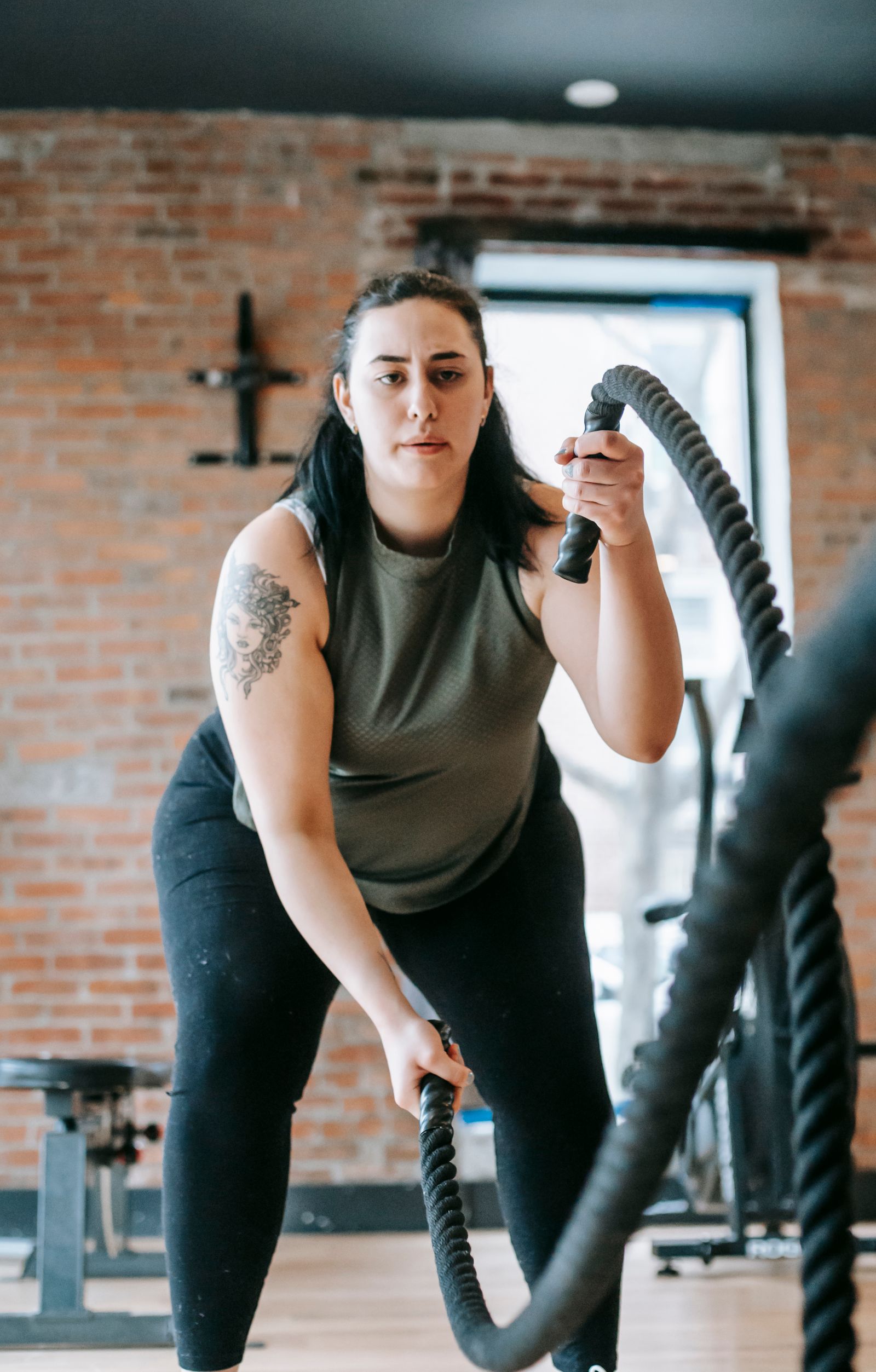
High-intensity functional training, or HIFT, combines varied functional movements such as lifting, pushing, pulling and sitting to standing. Every part of a session can be scaled to the person doing it. People with disabilities had been adapting it for more than a decade, yet almost no published research described their experience.
The study set out to record the health changes participants noticed and the reasons they started and stayed.
Who Took Part
Thirty-eight adults completed an online survey with open-ended questions. Each had a permanent disability affecting mobility and had trained in HIFT for at least three months. Ten of them also sat for a 45 to 60 minute interview with the lead investigator. Data collection ran from November 2020 to July 2021.
The 28 people who completed the survey alone had trained for 4.2 years on average. The ten who were also interviewed averaged 3.3 years. These were experienced participants, not beginners.
What Participants Reported
Changes in function came up more than any other outcome. Participants described easier transfers, moving heavy objects without help, less reliance on other people, and more activity inside and outside the home.
They also described physical changes: body composition, strength, pain, energy, stamina, posture, and bowel and bladder function. Some cited results from their own healthcare providers, such as blood work or imaging.
Psychological changes included less depression, anxiety and stress, more confidence, and coping skills they used outside the gym.
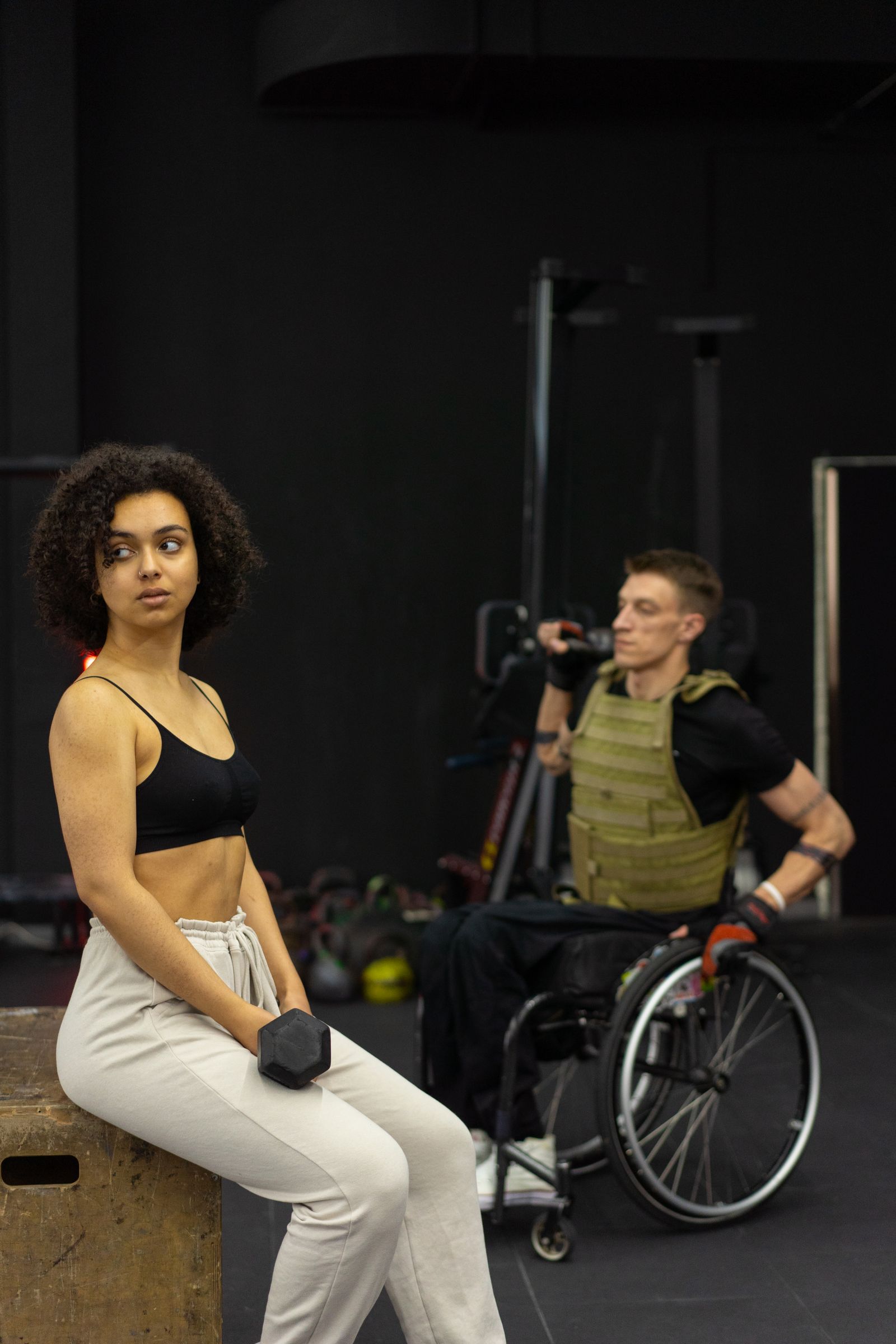
Social support ran through the interviews. Participants talked about coaches willing to work out adaptations with them by trial and error, often with no prior disability training. They described connecting with other adaptive athletes through social media, competing in adaptive and non-adaptive events, and moving from one-on-one coaching into classes alongside non-disabled members. Several had become trainers themselves.
Why the Gym Itself Mattered
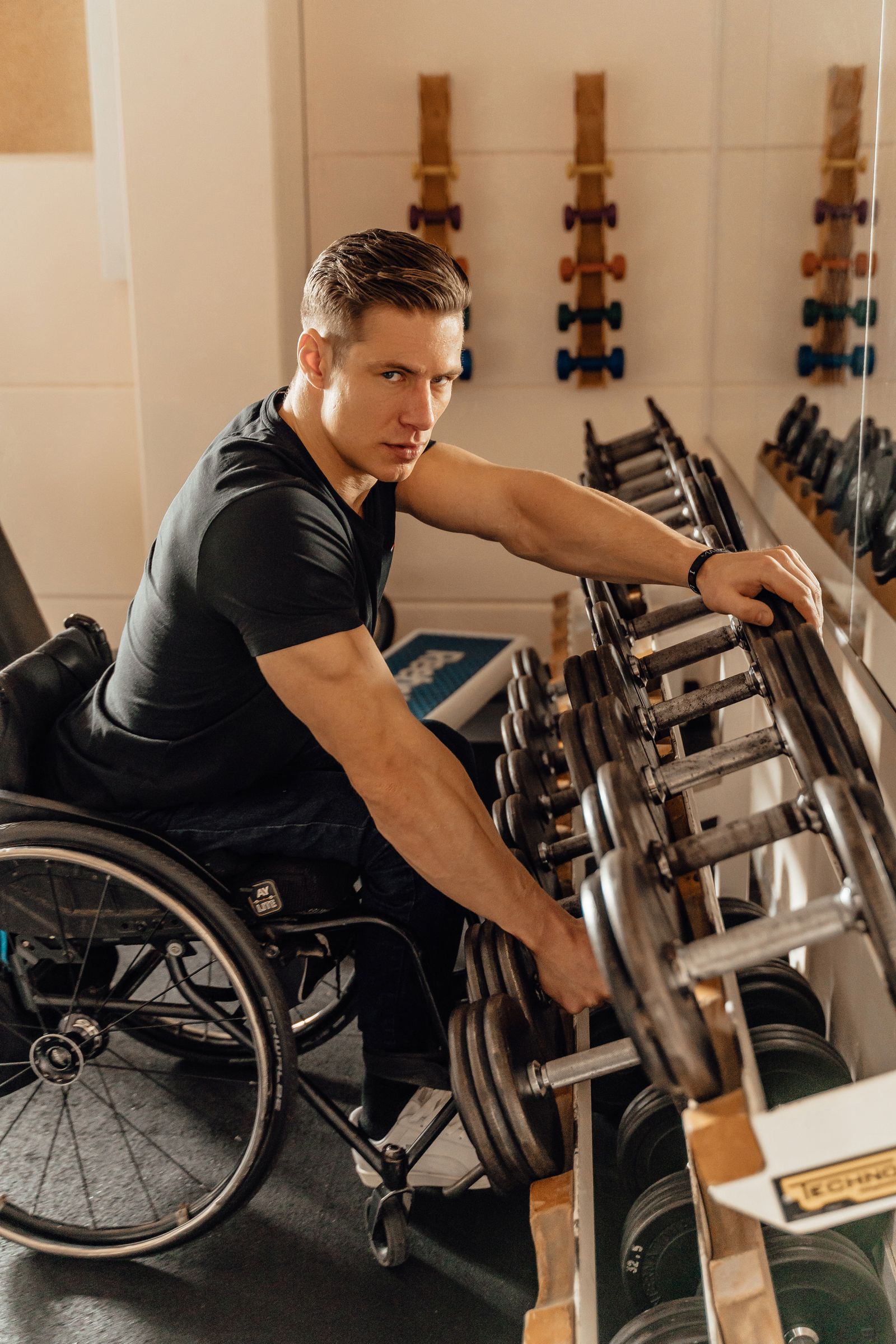
Participants pointed to the physical space. HIFT facilities favor open floors over fixed machines, so entries, restrooms and equipment tend to be usable as they are. Little specialized equipment was needed. Lap mats, wider bases for wheelchairs and grip aids covered most of it, and some athletes repurposed ordinary items, such as using an abdominal pad as a lap mat.
What They Wanted Doctors and Peers to Know
Many participants wanted healthcare providers and other people with disabilities to hear about their results. Several argued for HIFT during or after rehabilitation, especially after an injury such as a spinal cord injury. One participant put it this way:
There is a general feeling in our society that those who are disabled are less than, are broken, and must be protected. That we might break if we exercise. Quite the opposite, HIFT and the community that it provides should be considered imperative rather than dangerous.
Limits of the Study
The findings are self-reported and retrospective. Participants looked back on changes; nothing was measured before and after. The sample was a convenience sample of people still training, who may be more enthusiastic than those who stopped. The authors recommend hearing from former participants too. Cost, time and transportation remain barriers that an accessible gym does not remove.
What Came Next
The authors called for trials that measure physical and functional change directly. Three pilot studies followed, each delivered in Kansas City community gyms in partnership with Adaptive Athletes in Motion, a program of Bloc Life. Those papers cite this study as the participant-reported evidence behind their design.
Sources
Koon, L. M., Hall, J. P., Arnold, K. A., Donnelly, J. E., & Heinrich, K. M. (2023). High-Intensity Functional Training: Perceived Functional and Psychosocial Health-Related Outcomes from Current Participants with Mobility-Related Disabilities. Sports, 11(6), 116. https://doi.org/10.3390/sports11060116